 SHARKDREAMS
SHARKDREAMS
SHARKDREAMS
Not a device. Not an app. LIVIT engineered the whole adherence process end to end — printed sensors, smart devices, a patient/provider app, and a HIPAA-compliant data platform working as one loop: sense the dose, read the signal, and put a pharmacist-ready action in front of the right person the moment adherence slips. Designed, built, and deployed with real specialty pharmacies (2017–2023).
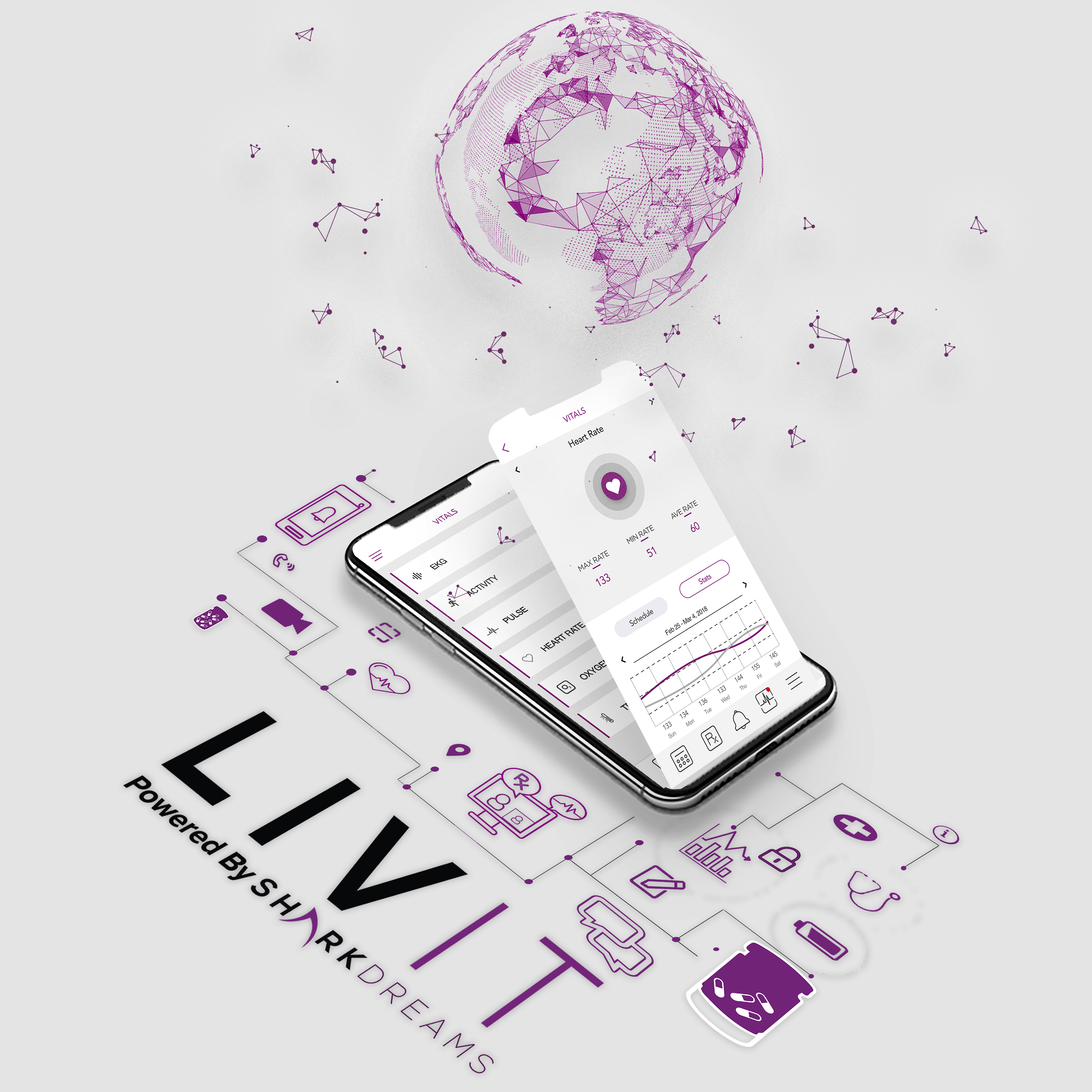
LIVIT is an adherence program for specialty pharmacy — better outcomes and new reimbursable revenue. The device and platform are just how it runs.
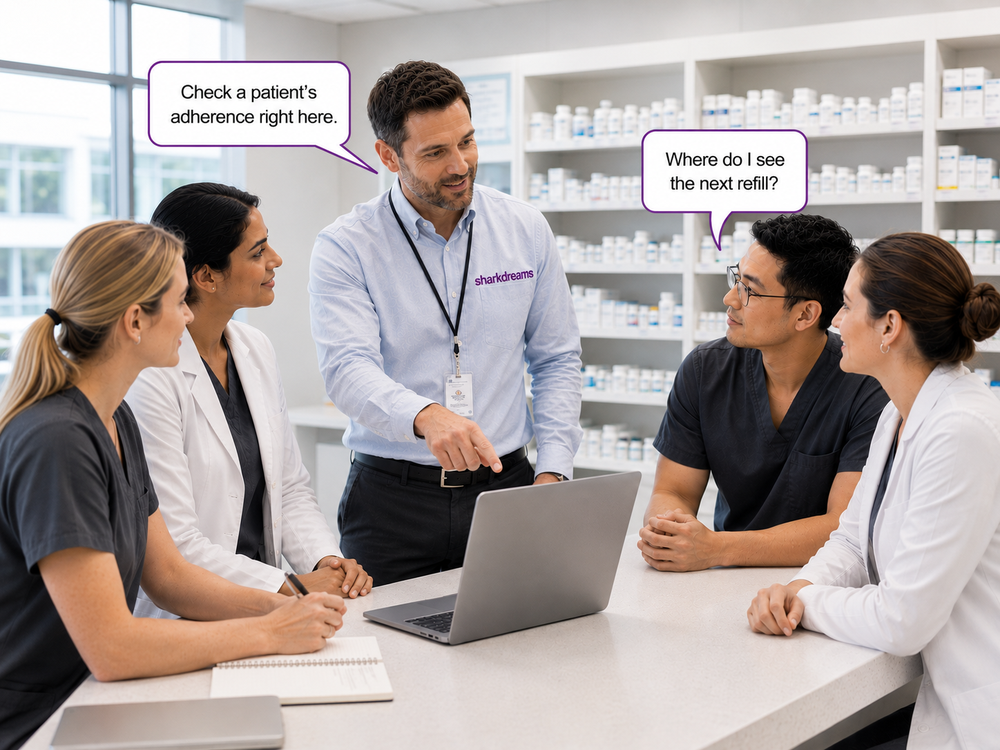
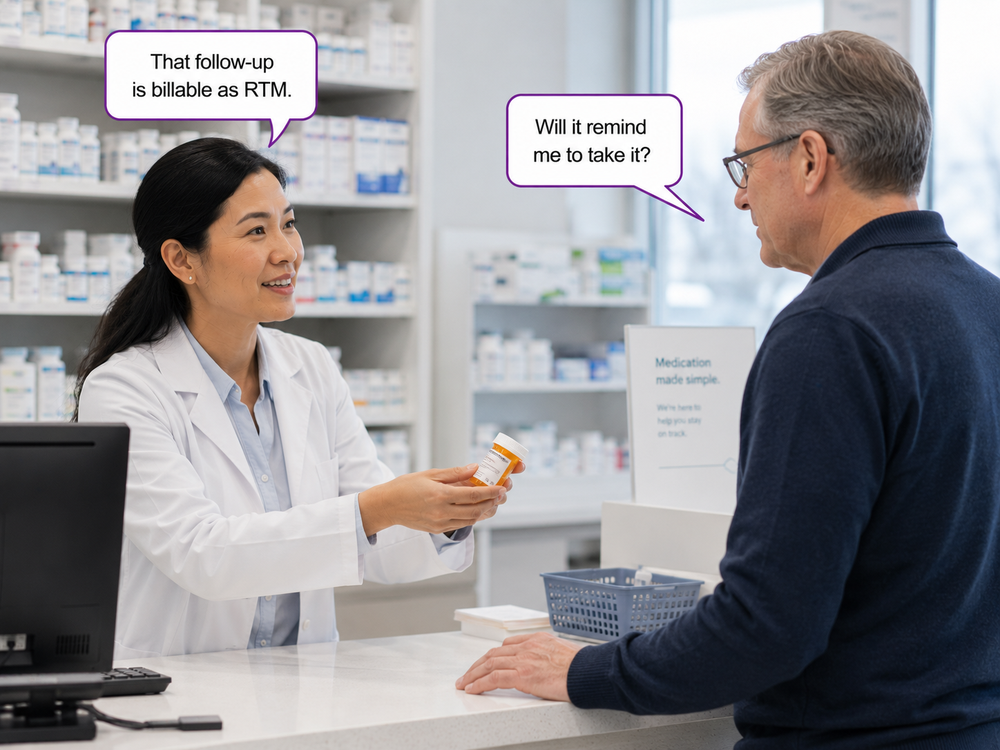

Most avoidable health cost comes from one thing: people not taking their medication as prescribed — worst of all in specialty pharmacy, where regimens for cancer, hepatitis C, RA, HIV, MS, cystic fibrosis, and transplant are complex, costly, and unforgiving. The existing tools were blunt: proprietary smart caps, manual call-and-fax follow-up, or reminder apps that only ask the patient to self-report.
So LIVIT wasn't built as another part. It was built as a process. Most tools fix one slice — a smarter cap, a reminder, a dashboard. LIVIT engineered the whole adherence loop and wired it into the specialty pharmacy's own workflow, linking the patient, the pharmacy, and the provider on one platform and turning real sensor signals into pharmacist-ready action. The device wasn't novel on its own — connected pill devices existed. What was distinctive was running the entire process end to end inside specialty pharmacy: integration and fit, not a single new sensor.
And we supported our clients at every step of that loop. With two specialty pharmacies, SharkDreams stood up and ran the technology behind each stage — the pharmacy's own clinicians kept ownership of the clinical decisions and patient care.
Provisioning, device kitting, and onboarding tools for the pharmacy's team.
Connected devices in patients' hands — 3,000 manufactured — and the support behind them.
The HIPAA-aligned platform turning raw signals into clean adherence data.
The pharmacist console & app that flagged who needed attention — the pharmacist made the call.
Communication tooling and reporting for follow-up; the client's clinicians ran the intervention.
A small, universal, disposable device tracks medication use for the duration of the prescription.
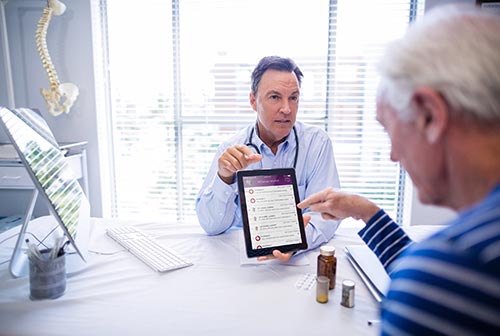
Mobile + web apps let patient and provider review progress, chat/video, and update prescriptions — no office visit.
Algorithms turn raw signals into adherence, over-utilization, and drug-performance metrics.
LIVIT was purpose-built for one customer: the specialty pharmacy. It is the system a specialty pharmacy runs to monitor its own patients — sensing each dose, turning it into clean adherence data, and putting a pharmacist-ready action in front of the team the moment a patient slips. Not a consumer gadget, not a plan tool — the pharmacy's own end-to-end monitoring layer.
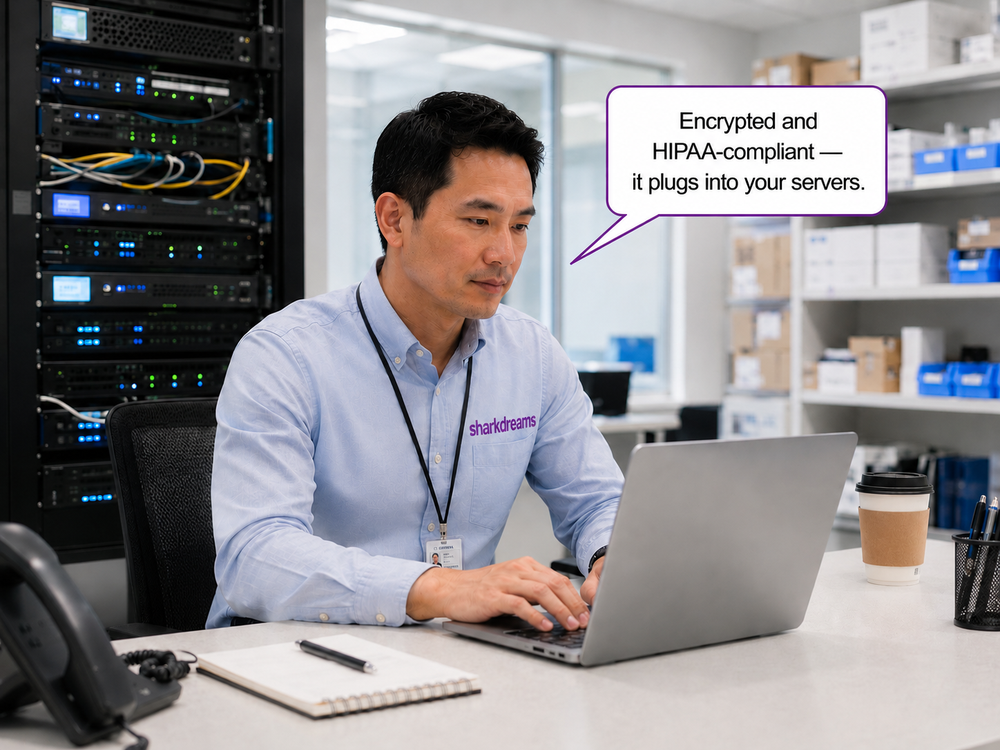
SharkDreams provided the technology layer only — IoT devices, software, and data. The dispensing, clinical decisions, and patient care stay with the licensed pharmacy.
A specialty pharmacy's patients are not a single payer. The same patient panel spans Medicaid, Medicare Part D, and commercial coverage — and the pharmacy is simultaneously measured on adherence and exposed to different incentives across each. LIVIT monitors the patient once; the value lands across all of them at the same time:
Managed-Medicaid plans grade pharmacies on PDC adherence (HEDIS). Better monitoring → better quality scores and standing.
The triple-weighted Star-Ratings adherence measures and MTM ride on the same patients. Adherence is the lever the whole rating turns on.
Performance networks and DIR fees reward — or claw back — based on PDC. Monitoring protects the pharmacy's reimbursement.
And the manufacturer layer sits on top. For specialty drugs, the pharmacy also reports status, adherence, persistence, and adverse events back to the manufacturer under its data agreements — the same signal LIVIT already produces. One system, one patient signal, monetized across Medicaid, Medicare, commercial, DIR/Star performance, and manufacturer reporting at once.
Proven with two specialty-pharmacy deployments (2017–2023): a top PBM-owned specialty pharmacy and a national MCO's specialty pharmacy — whose patient books already spanned Medicaid, Medicare, and commercial coverage.
SharkDreams Labs was the engine behind all of it: one team building reusable sources — hardware, software, and field methods — that could power vertical after vertical, directly or through partners. The path ran across two countries (USA ↔ India), through real contracts and real deployments — and through real headwinds: trust issues, and lawsuits fought without a legal budget. This is the honest arc.
● active · ● paused · ● stopped
In all of the work below, SharkDreams provided the technology layer only — IoT devices, software, and data. The clinical care, dispensing, and any hospital, government, or field operations were carried out by the named licensed operators and partners (such as the pharmacies, hospitals, and Vera), not by SharkDreams. Where a vertical names a hospital, clinic, or program, SharkDreams supplied the connected technology and platform behind it — not the care itself.
The work moved continuously between the USA and India — chasing lower build cost, local contracts, and the communities that needed it most. It pushed through trust issues and lawsuits defended without a legal budget, which forced pauses and the collapse of the India operation. But the sources SharkDreams Labs built stayed reusable — which is why the engineering, methods, and IP remain a documented body of work.
Operating history for context; some entries reflect engagements and field deployments rather than only formal commercial contracts. Not legal advice.
Research at SharkDreams led to LIVIT — a B2B compliance & adherence monitoring system for specialty pharmacy. LIVIT is two things working together: hardware (the sensing device) and software (virtual care connected to prescription management). Because the hardware was costly, the strategy was to monetize the software across adjacent healthcare verticals. The sections below follow exactly that order.
An India entity — SharkDreams Private Limited — was set up to offshore development (lower cost) and to win local contracts: hospitals, government, and insurance.
Proof of concept first, then a proven manufacturing supply chain.
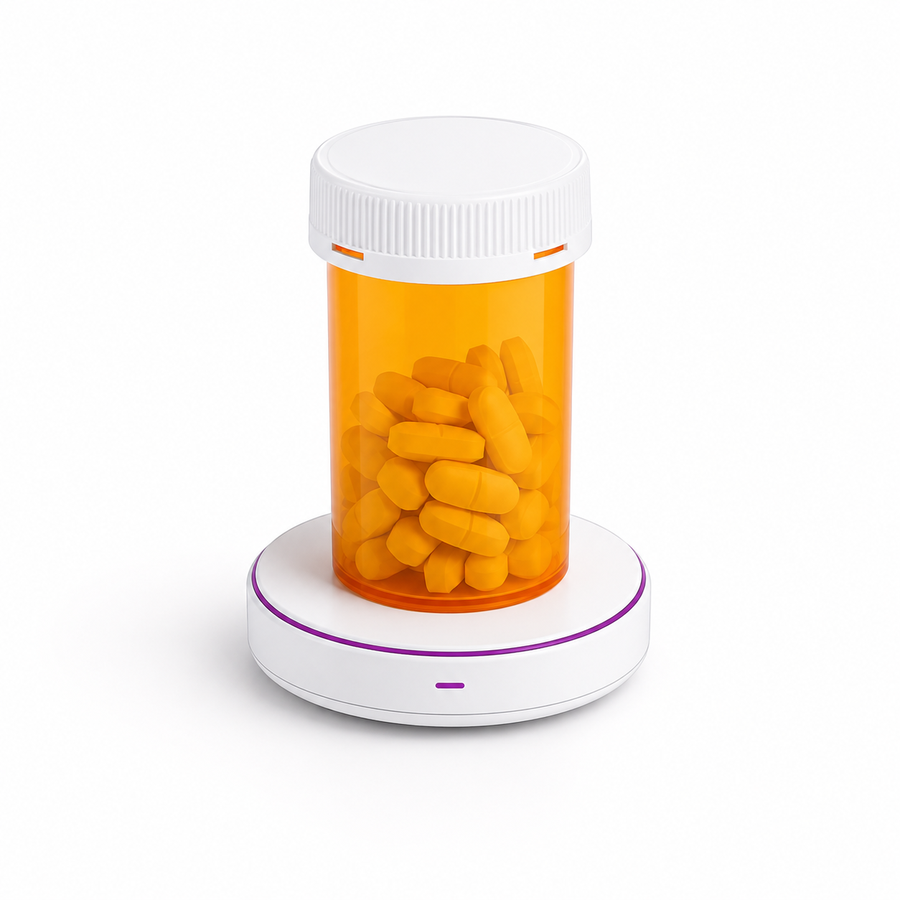
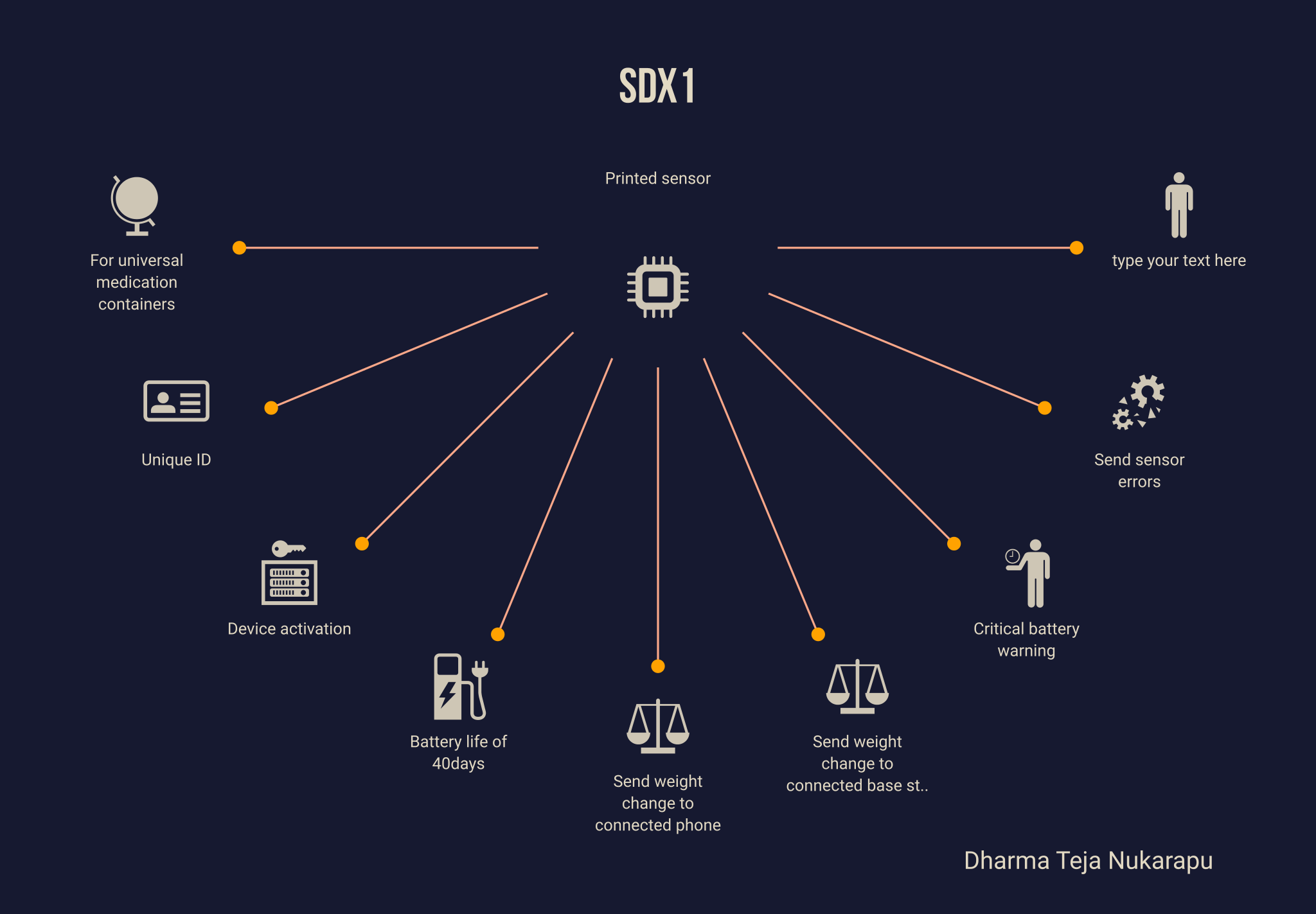
The hardware was built to prove the mechanics: a printed sensor cheap and small enough for any medication container, weight-change sensing to count pills, exposure/tamper detection, fingerprint authentication, and basic vitals. The same sensing core was designed to drop into 14+ form factors covering every form of medication packaging.
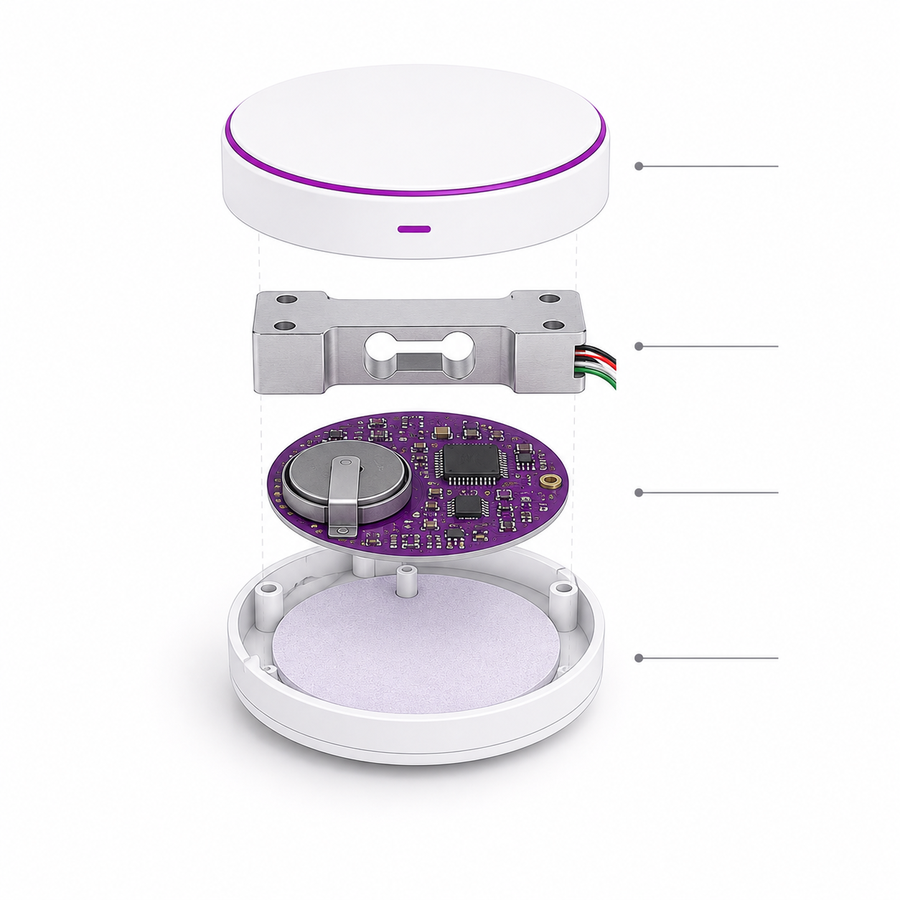
The same low-cost sensing idea was designed to adapt to however a patient actually receives medication. Two were built and prototyped; the rest were an explored design library.
Built & prototyped
Design library — explored
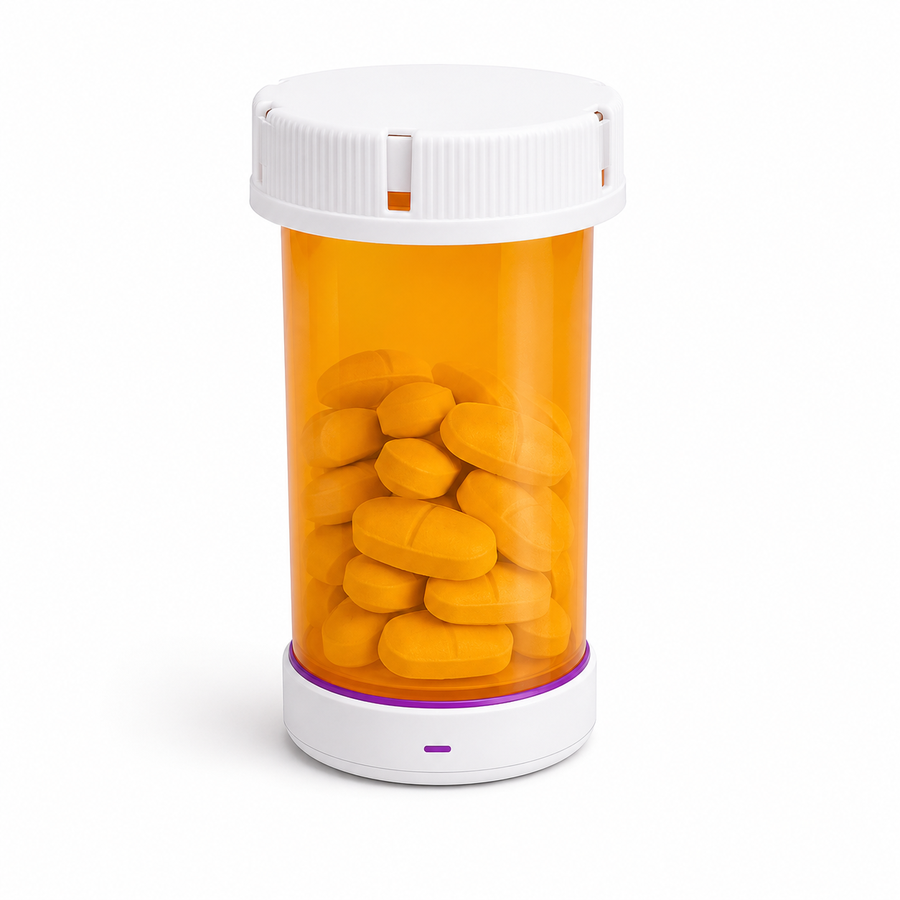
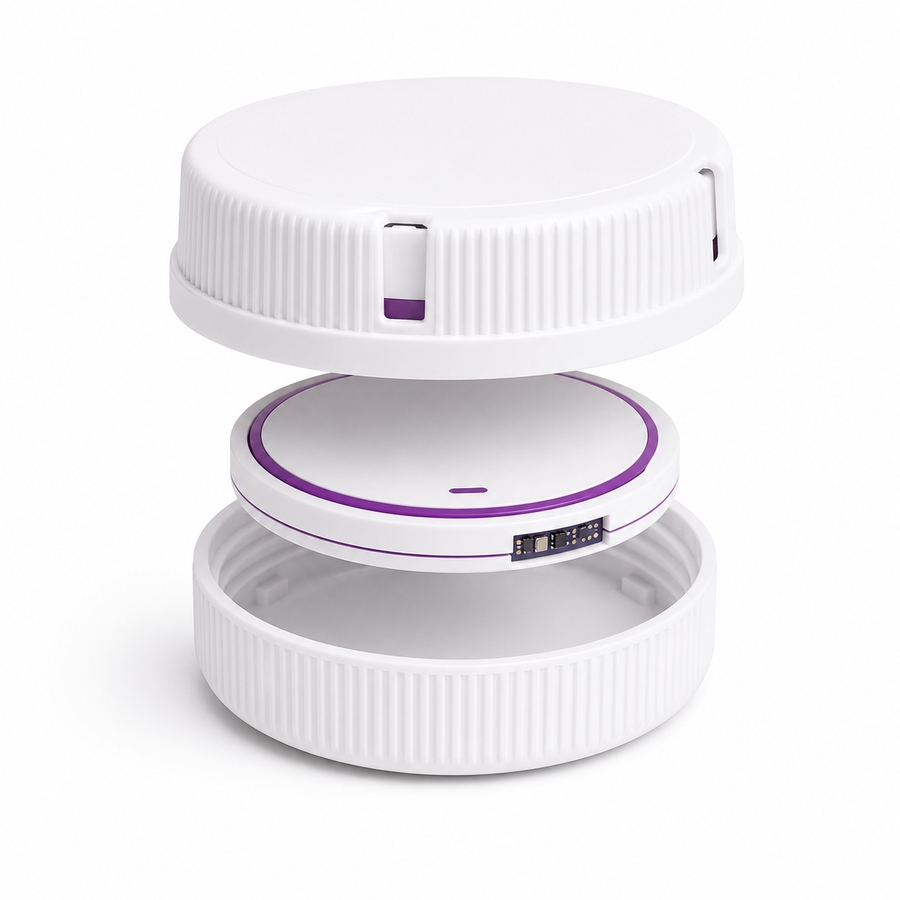
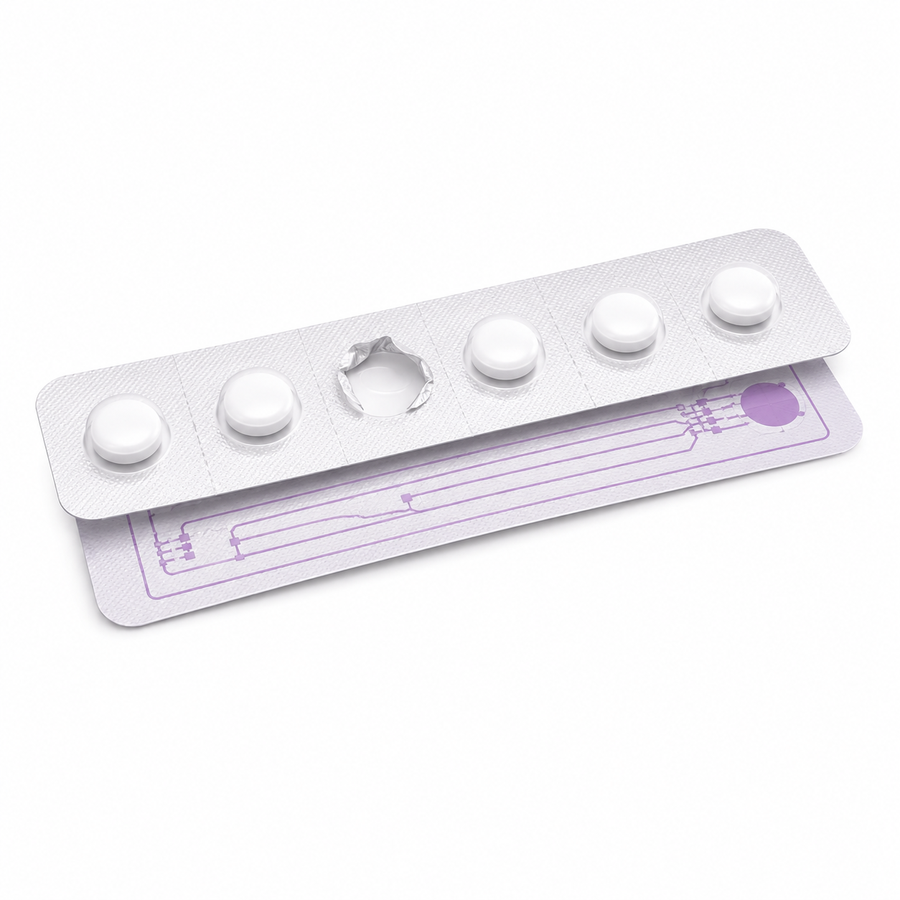
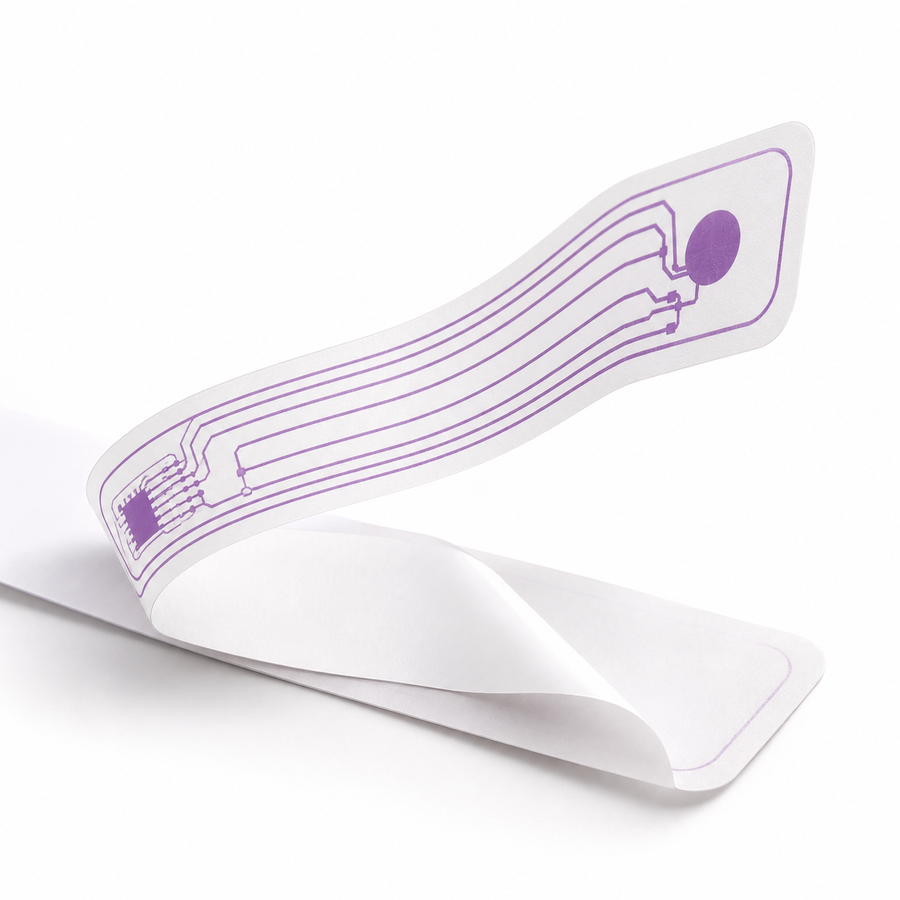
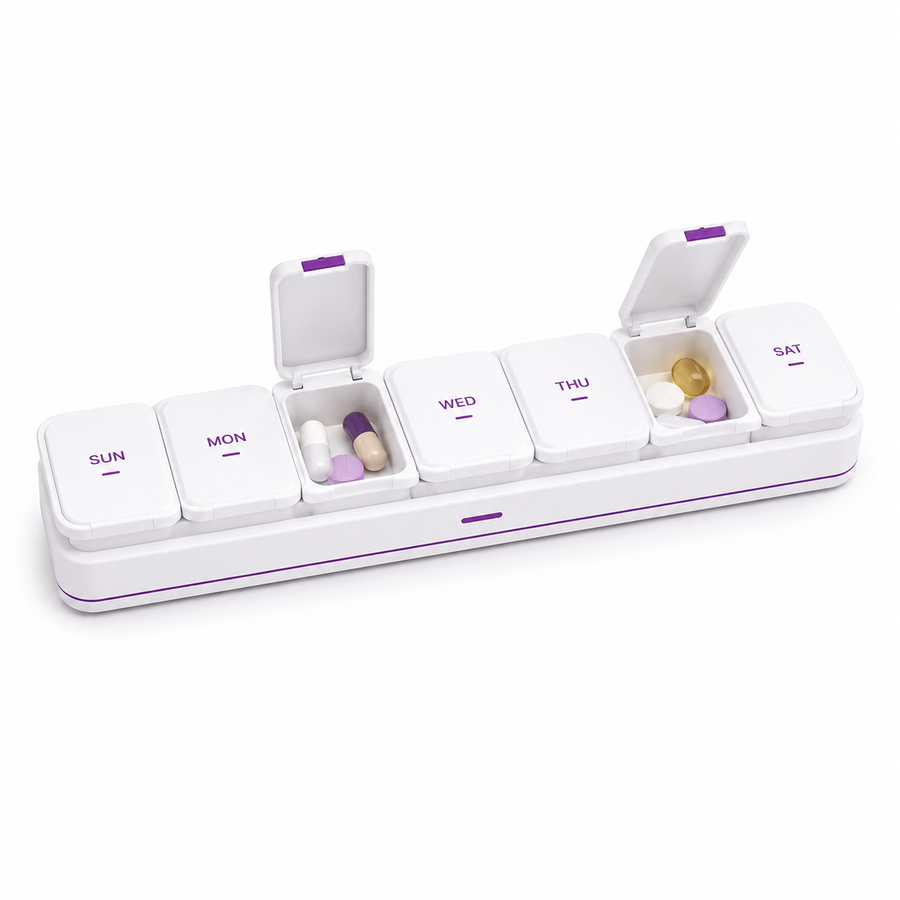
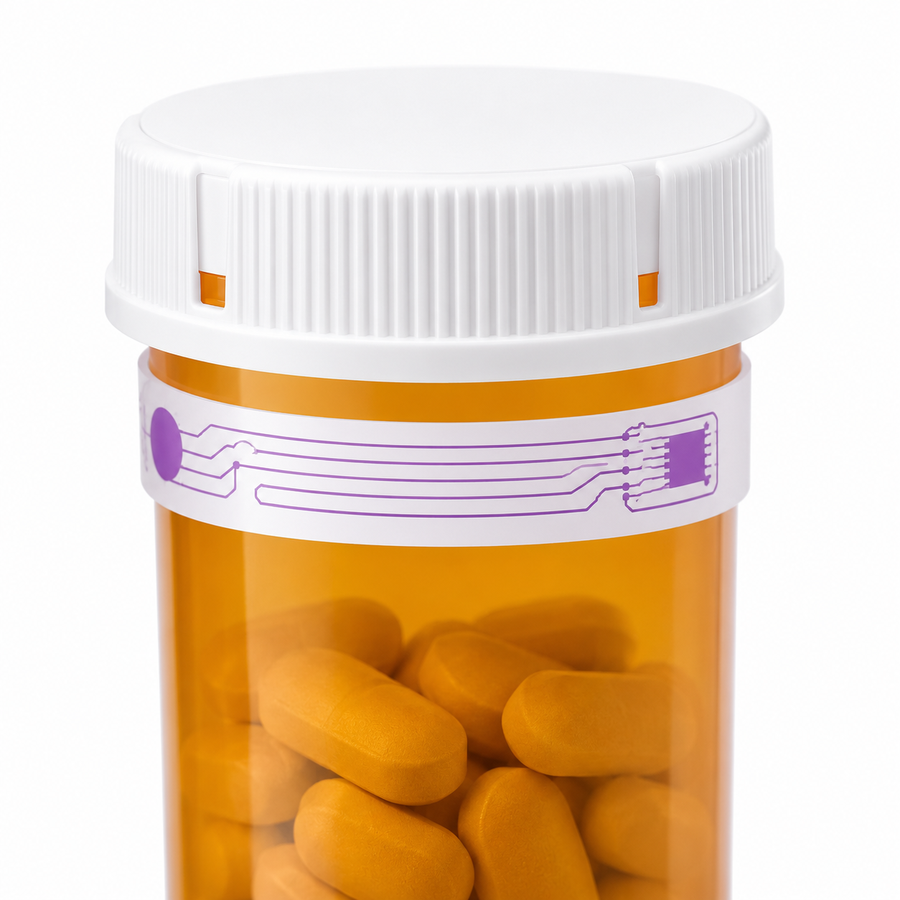
Renders illustrate the design library — concepts explored to fit any packaging. The disc and printed sensor were the units actually built.
Building real hardware meant building a supply chain. Full and partial manufacturing was pursued across three countries as the design matured:
Prototype · never deployed Developed by VieMetrics — an NC State University PhD team forming their own company — and explored as a complement to LIVIT.
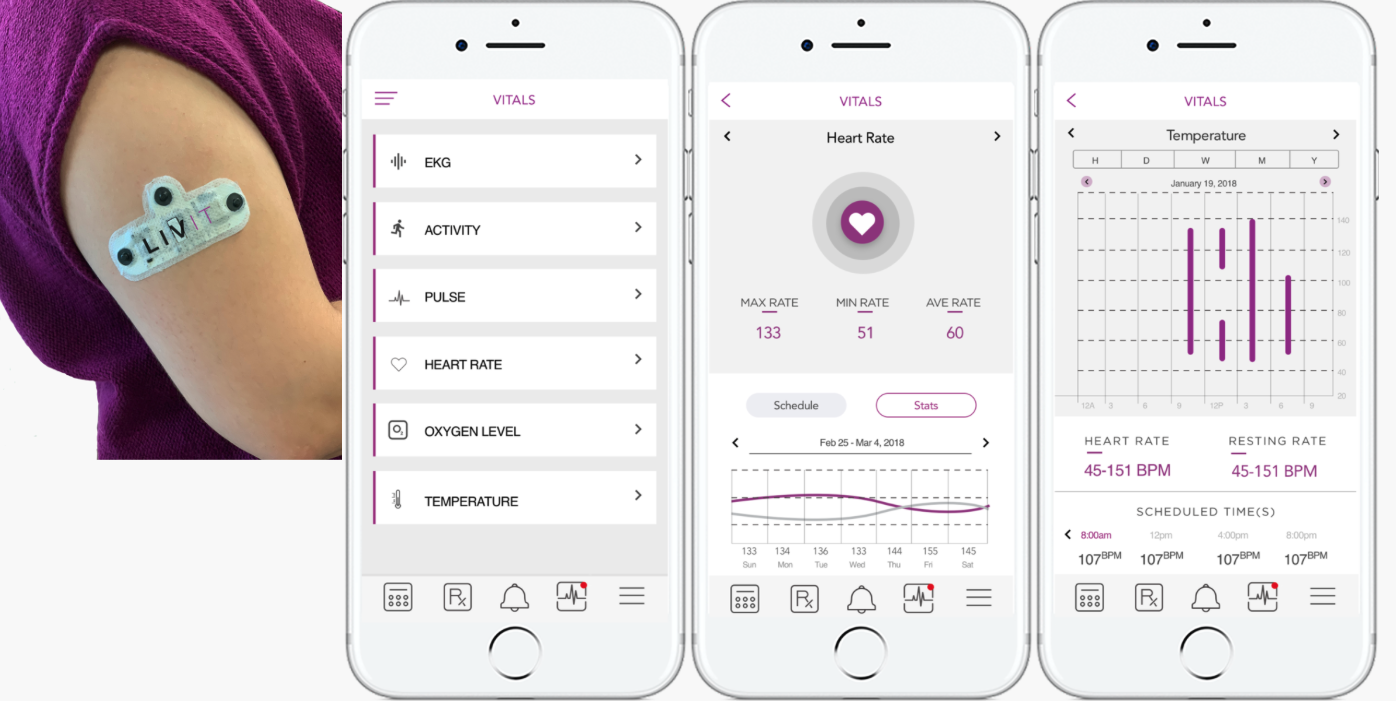
Where the medication device answers "did they take it?", the vital patch explored "is it working?" — a flexible, skin-worn sensor intended to stream clinical vitals and correlate vital performance with medication. It was an R&D collaboration, integrated and tested with LIVIT to study how vitals could complement adherence data.
Status: used only in internal testing by the founder and a few others — no commercial, public, or clinical deployment. Device engineering and IP belong to VieMetrics (the NC State PhD team's company).
Designed signals (per the team's spec)
Virtual care connected to prescription management — linking the patient and the specialty pharmacy.
The value isn't the sensor — it's the closed loop. Was the lid opened? Was the dose taken? If not, the event flows to storage, through the transmitter, and out as a targeted alert. Software aggregates multiple data sets and applies algorithms to deliver adherence, compliance, effectiveness, and drug-performance metrics in a format pharmacy staff can use immediately.
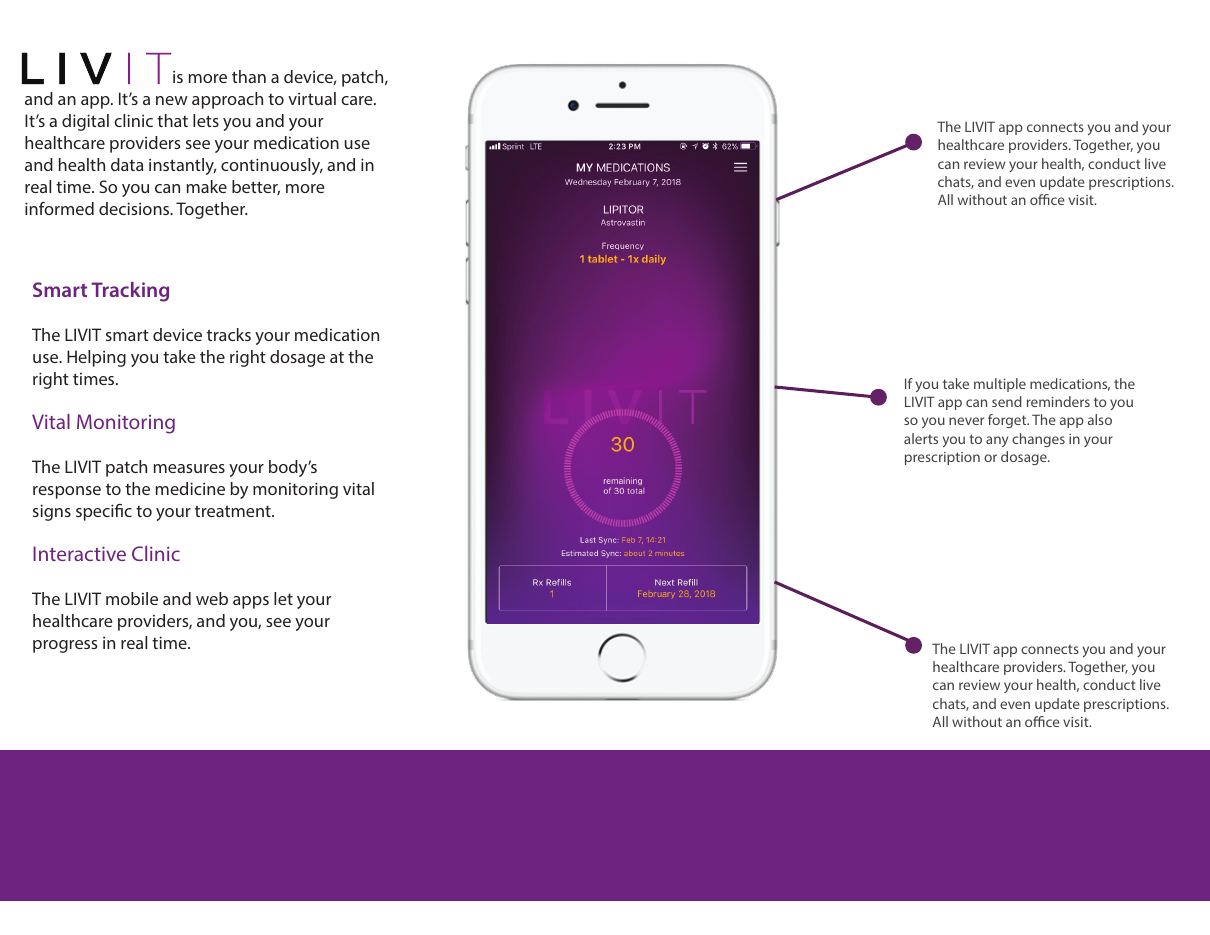
A full mobile/web application (iOS, Android, Windows) specified and built across 2017 — patient registration and secure cloud accounts, biometric + barcode/ship-address authentication, regimen sync at the pharmacy, reminders and over-dose alerts, and a real-time provider console for monitoring many patients at once.
The hardware was costly, so the plan was to monetize the software across adjacent verticals — each one a customer/channel for the same platform, not a separate business.
The largest software opportunity was large hospital management — selling the virtual-care / remote-monitoring platform to hospitals. The a multi-hospital health system contract proved the demand. But running remote-monitoring services on the ground required trained healthcare staff — so a separate India field-services company (VeraSmart Healthcare Pvt Ltd) was built to supply technicians who operated the same software.
Proof: a multi-hospital health system (technology services + medication home delivery), government programs (iMASQ COVID sample collection), and the SharkDreams ↔ VeraSmart software agreement.
The same software was applied with an insurance company to deliver annual care through virtual care — aimed at no out-of-pocket cost for low-income patients. Realized through a group health policy with Care Health Insurance ("Group Care 360°", Feb 2022), held by SharkDreams Private Limited (India).
Built with design partner Generate Design and development partner Imaginovation, alongside SharkDreams engineering.
Adherence isn't one problem, it's a chain: sense the dose → move the data → turn it into something a pharmacist acts on. Almost every product on the market fixes a single link. LIVIT was built to fix the whole process, end to end — a suite of IoT, tech, and data.
| The end-to-end stack | LIVIT — integrated | Smart-device players | Software / AI platforms | Reminder / manual |
|---|---|---|---|---|
| IoT — real dose sensing | Load-cell device, any bottle | Yes (the device) | No device | Self-report |
| Connectivity — device → cloud | BLE → app → cloud | Device-bound | Claims/EHR, no sensor | None |
| Data — analytics → metrics | Adherence, response, drug-performance | Basic logs | Strong (their core) | None |
| Pharmacist workflow — console + action | Pharmacist-in-the-loop | Limited | Outreach / recommendations | None |
| Patient layer — app, chat/video | Interactive clinic | On-device prompts | App nudges | Reminders |
| Reimbursement fit — RTM | Mapped to RTM | Varies | Varies | No |
| The whole loop — dose → data → pharmacist → intervene | End to end | One link | One link | One link |
covers it · partial · doesn't. Categories, not specific vendors — "smart-device players" ≈ connected pill bottles/caps; "software / AI platforms" ≈ predictive-adherence and engagement tools. Reflects LIVIT's documented design vs typical category capabilities.
Adherence is a systems problem, not a gadget problem. The market kept shipping point solutions — a smarter cap here, a reminder app there, an analytics layer somewhere else. LIVIT's bet was to engineer the entire loop as one suite: IoT (the sensing device), tech (the connected platform + pharmacist console), and data (analytics that turn raw signal into pharmacist-ready action) — all HIPAA-clean and reimbursable.
To be precise, the distinction was integration and fit, not a novel sensor — connected bottles and adherence software both already existed. What was rare was doing the whole chain, B2B, inside a real specialty-pharmacy workflow. Why that still matters →
The technology peers. Almost every one is either a connected device or a software layer — LIVIT's lane was integrating both into a specialty-pharmacy workflow.
AdhereTech · SMRxT · HealthBeacon · Pillsy · MedMinder. Ingestible lineage: Proteus (defunct), eTectRx. Closest to LIVIT's lane — AdhereTech is the nearest analog.
AllazoHealth · Arine · Medisafe · AiCure · AdhereHealth. Strong analytics & outreach — but no device; they infer adherence, they don't measure the dose.
LIVIT — device + connected platform + pharmacist console, B2B into specialty pharmacy. IoT + tech + data as one loop.
Companies named descriptively for market context — no affiliation or endorsement implied; status varies (several are independent, acquired, or wound down).
Real specialty pharmacies and partners put LIVIT in front of real patients.
2 specialty-pharmacy clients — with 3,000 devices manufactured in China for specialty patients on complex regimens.
One was a health-plan engagement and another a research-build interest with no formal partnership — distinct from the two specialty-pharmacy client deployments.
Each vertical was backed by a real, executed instrument with a named counterparty — not an informal arrangement. Verified against the documents on file.
| Vertical | Instrument | Counterparty | Year | Status |
|---|---|---|---|---|
| Pharmacy (LIVIT) | LIVIT Trial & License Agreement | A top PBM-owned specialty pharmacy | 2017 | DocuSigned |
| Pharmacy (LIVIT) | LIVIT License + Services + BAA | A national specialty pharmacy | 2018→2021 | Executed |
| Pharmacy (scale-up) | Letter of Intent (large-volume rollout) | The specialty pharmacy | 2023 | Signed LOI (non-binding) |
| Offshore dev / IP | Software Development & Consultancy | VeraSmart ↔ SharkDreams Inc | 2019 | Executed |
| Hospital management | Healthcare-Technology Services + home delivery | a multi-hospital health system (India) | ~2020 | Executed |
| Government field services | iMASQ COVID sample collection | Govt of Andhra Pradesh (H&FW) | 2020 | Signed order |
| Government field services | iMASQ sample collection (42,476 samples) | Govt of Telangana (DPH&FW) | 2020 | Engaged & invoiced |
| Hospital operations | MOU — operate hospital + 200 clinics | Vera Clinics ↔ KMR Educational Society | 2021 | Signed MOU |
| Insurance | "Group Care 360°" group health policy | Care Health Insurance Ltd | 2022 | Issued policy |
Policyholder on the Care policy is SharkDreams Private Limited (India). The the specialty pharmacy 2023 LOI is, by its own terms, non-binding.
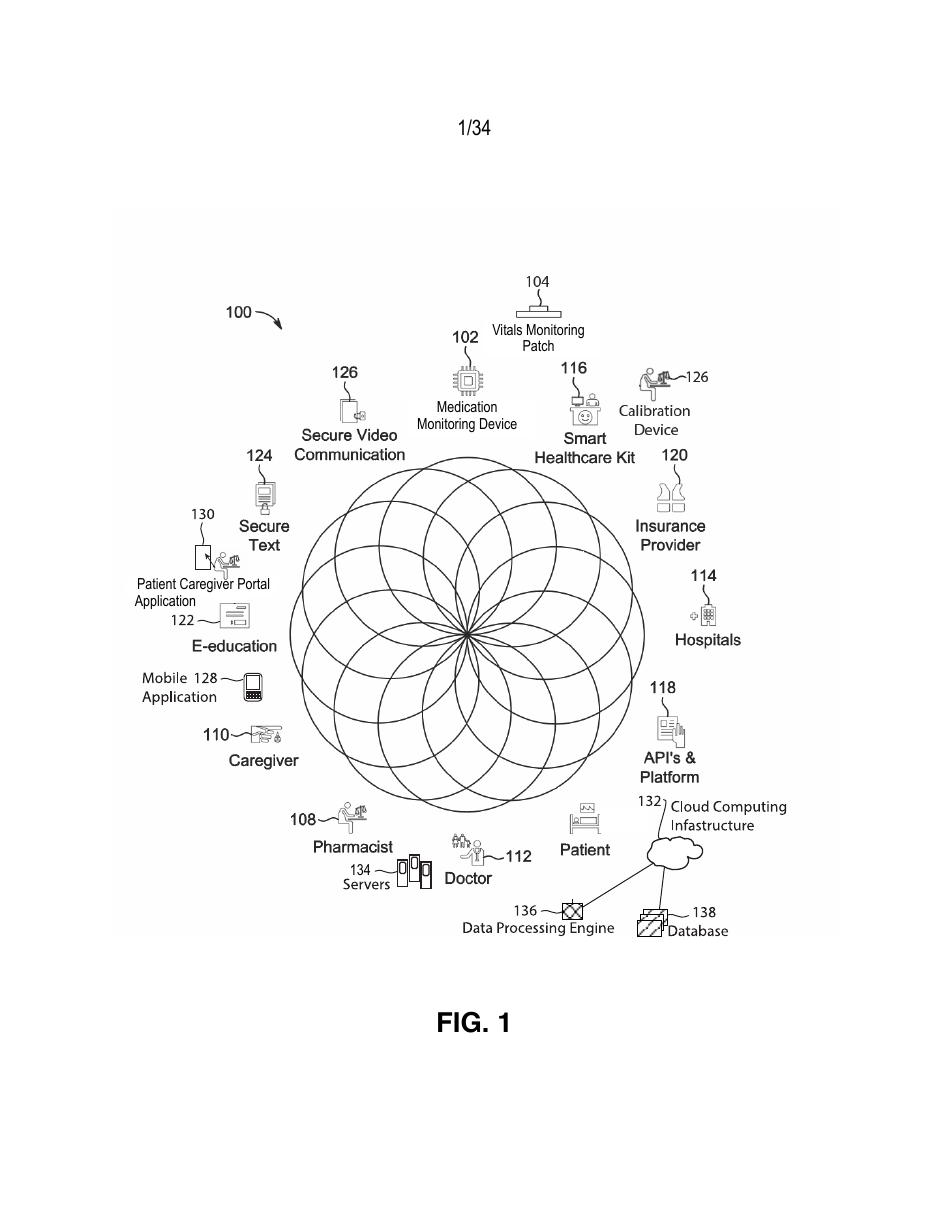
A PCT (international) patent application with a full drawing set documents the system: the medication-monitoring device (102), vitals-monitoring patch (104), smart healthcare kit (116), calibration device, secure video/text, caregiver portal, provider/pharmacy/hospital nodes, cloud, data-processing engine, and APIs — the architecture LIVIT implements. A provisional patent application preceded it.
The LIVIT trademark was filed in 2017 (USPTO + a Madrid international filing). The U.S. mark later went abandoned in 2019.
Beyond the pharmacy, the LIVIT ecosystem was designed to extend into the connected world — enrolled patients linking smart appliances, and a use case connecting to smart cars to assist when a sensitive drug isn't consumed. The north star: replace manual follow-up, monitoring, and reporting with an automated, HIPAA-compliant system that lowers operating cost while improving outcomes.
Generate Design (product/UI design) · Imaginovation (app development) · VieMetrics (an NC State University PhD team's company — hardware/board engineering, and the vitals-patch R&D prototype) · a global cloud & silicon platform (a secured-chip platform secured chip) · Porticos (product design & mechanical engineering — the load-cell device & cosmetic models).